

Understanding the psychological effects of gambling What drives the behavior
The Allure of Gambling
The psychological effects of gambling are complex and multifaceted. For many, the thrill of the game provides an escape from the mundane realities of life. In fact, engaging in a plinko casino can trigger a rush of adrenaline that is both exhilarating and addictive. The anticipation and excitement of potentially winning can lead individuals to chase the next big win, reinforcing the behavior through a cycle of hope and reward.
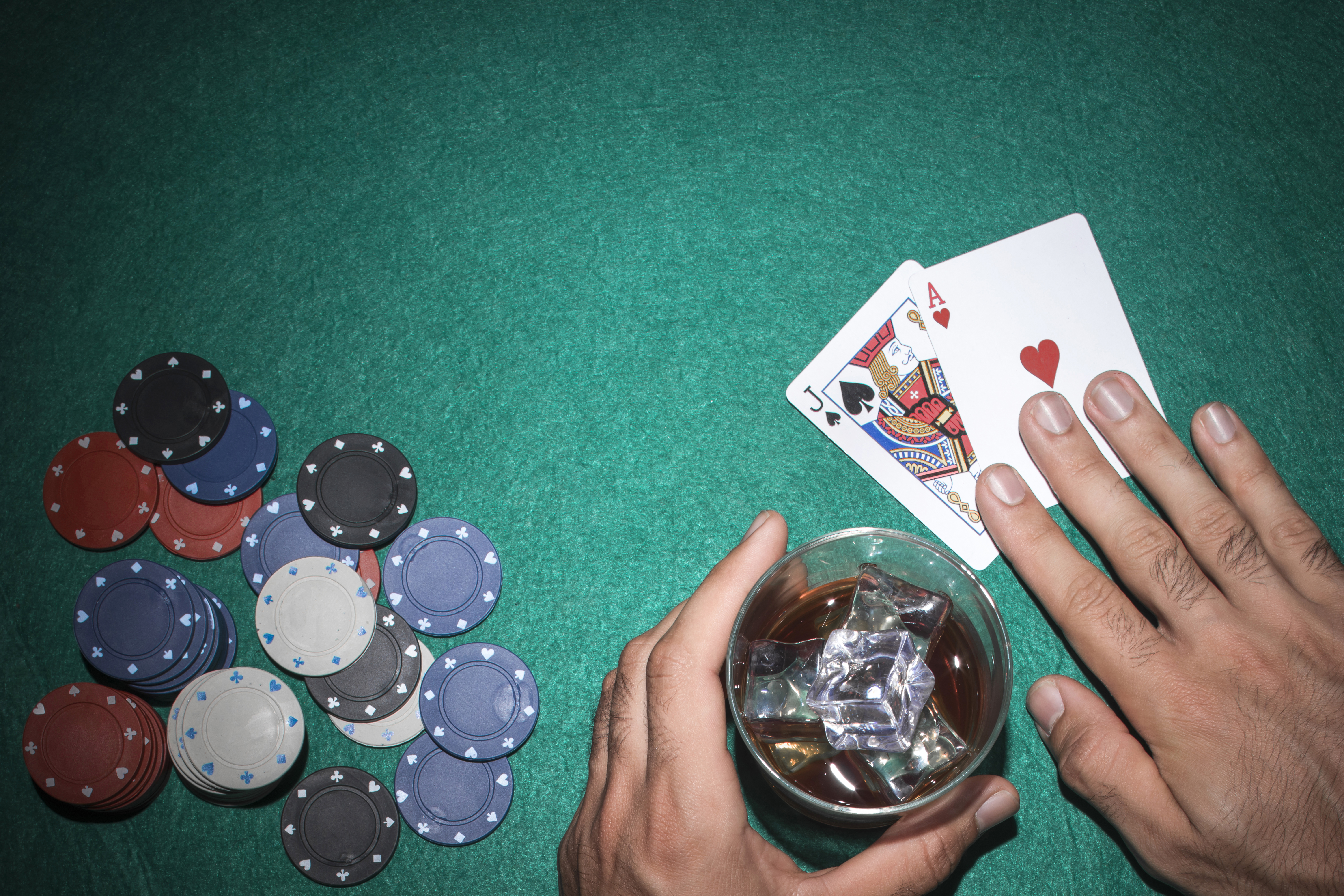
Furthermore, gambling taps into fundamental psychological principles such as reinforcement and the unpredictability of outcomes. The occasional win can create a strong psychological reward, making players more likely to return to the game despite experiencing losses. This phenomenon is often referred to as intermittent reinforcement, which is known to be a powerful driver of behavior in various contexts, including gambling.
Addiction and Escapism
For some individuals, gambling becomes a means of coping with stress, anxiety, or depression. The act of placing bets can serve as a temporary distraction from personal problems, offering a sense of control and excitement that may be absent in other areas of life. This escapism can lead to a compulsion to gamble, as individuals seek to replicate the feelings of joy and freedom that come with winning.
However, the line between recreational gambling and addiction can be thin. As individuals begin to rely on gambling as their primary source of enjoyment or stress relief, they risk falling into a pattern that can have devastating consequences on their mental health and personal relationships. Understanding these psychological factors is crucial for identifying problematic gambling behaviors early.
The Role of Social Influences
Social interactions play a significant role in the psychological effects of gambling. Many individuals are introduced to gambling through friends or family, where the social environment can enhance the appeal. The shared experience of gambling can create a sense of camaraderie, making the activity more enjoyable and encouraging continued participation.
Moreover, the normalization of gambling in various cultures, often reinforced by media portrayals and advertisements, can further entice individuals to engage in gambling activities. Social acceptance can diminish the perceived risks, contributing to a growing culture of gambling that may exacerbate addictive tendencies in susceptible individuals.
Understanding Risk and Reward
The psychology of risk and reward is central to understanding gambling behavior. Many gamblers are drawn to the perceived rewards associated with winning large sums of money, leading them to overlook the inherent risks involved. This miscalculation of odds can be influenced by cognitive biases, such as the illusion of control, where individuals believe they have more influence over outcomes than they actually do.
These psychological misconceptions can lead to overconfidence and reckless behavior, causing players to wager more than they can afford to lose. Recognizing these patterns is essential for fostering responsible gambling practices and encouraging individuals to approach gambling with a more balanced perspective.

Your Resource for Informed Gambling Choices
At our website, we strive to provide valuable insights into the world of gambling, including its psychological effects and the factors that drive behavior. We believe that understanding these elements is crucial for anyone considering gambling as a form of entertainment. Our comprehensive reviews and expert recommendations can help you make informed decisions while navigating the complexities of online gaming.
By promoting awareness and education surrounding gambling, we aim to create a safer and more enjoyable experience for all participants. Join us as we explore the exciting yet nuanced world of gambling, ensuring you have the tools and knowledge necessary to engage responsibly.